What is Guillain-Barré Syndrome (GBS)?
Guillain-Barré (Ghee-yan Bah-ray) Syndrome is an inflammatory disorder of the peripheral nerves outside the brain and spinal cord.
It’s also called:
- Acute Inflammatory Demyelinating Polyneuropathy
- Landry’s Ascending Paralysis
GBS is characterized by the rapid onset of numbness, weakness, and often paralysis of the legs, arms, breathing muscles, and face. Paralysis is ascending, meaning that it travels up the limbs from fingers and toes towards the torso. Loss of reflexes, such as the knee jerk, are usually found.
Frequently Asked Questions
Explore answers to common questions about symptoms, treatment, recovery, and what to expect at every stage of the journey.
What is GBS?
- GBS occurs when your immune system mistakenly attacks your healthy peripheral nerves, damaging their protective myelin sheath.
- This damage disrupts nerve signals to the brain, leading to weakness, numbness, and paralysis.
What causes GBS?
- The exact cause is unknown, but it often follows a viral or bacterial infection (like Campylobacter, flu, COVID-19, Zika) due to “molecular mimicry” where infection-fighting antibodies attack nerve cells.
- Rarely, surgery or vaccinations can trigger it.
Who gets GBS?
Anyone can get it, but it’s more common in adults over 50, and slightly more in men.
What are the symptoms?
- Early: Tingling and weakness, often starting in both legs and spreading upwards.
- Progression: Can rapidly worsen over days to weeks, affecting arms, face, and breathing muscles.
- Severe: Paralysis, difficulty breathing, swallowing, speaking, and autonomic issues (blood pressure, heart rate).
Is it contagious?
No, GBS is not contagious.
How is it diagnosed?
Doctors use physical exams, nerve conduction studies (electromyography – EMG), and a spinal tap (lumbar puncture) to analyze spinal fluid.
How is it treated and what’s the outlook?
- Treatment: Hospitalization is needed; treatments like IV immunoglobulin or plasmapheresis help.
- Recovery: Most start improving in 2-4 weeks, but full recovery takes months to years, requiring physical therapy.
- Prognosis: Most recover, but many experience some level of residual effect including but not limited to: weakness, numbness, or fatigue.
When to seek emergency care (Call 911/Emergency Services)
If you experience sudden, rapid weakness, tingling, or paralysis, especially if you have trouble breathing or swallowing.
Useful Resources

Education Center
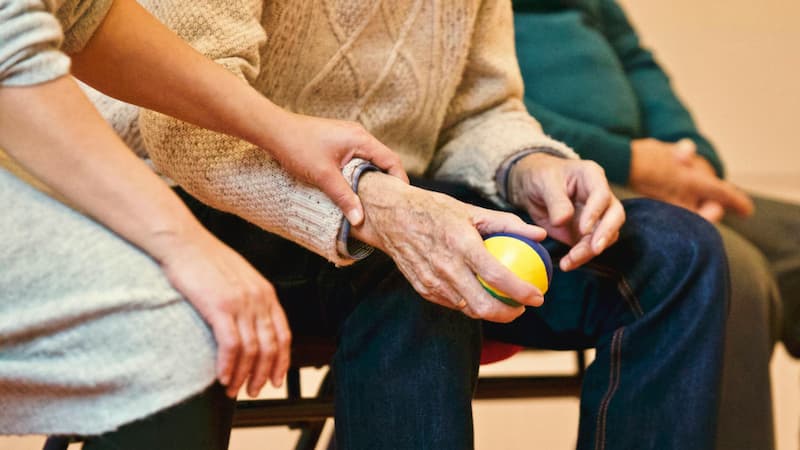
Expert-reviewed guides and resources to help patients, caregivers, and professionals better understand GBS, CIDP, and MMN.
Find a Specialist
Connecting patients with personalized support, including financial help, insurance guidance, disability resources, and mental health resources.
Guidelines
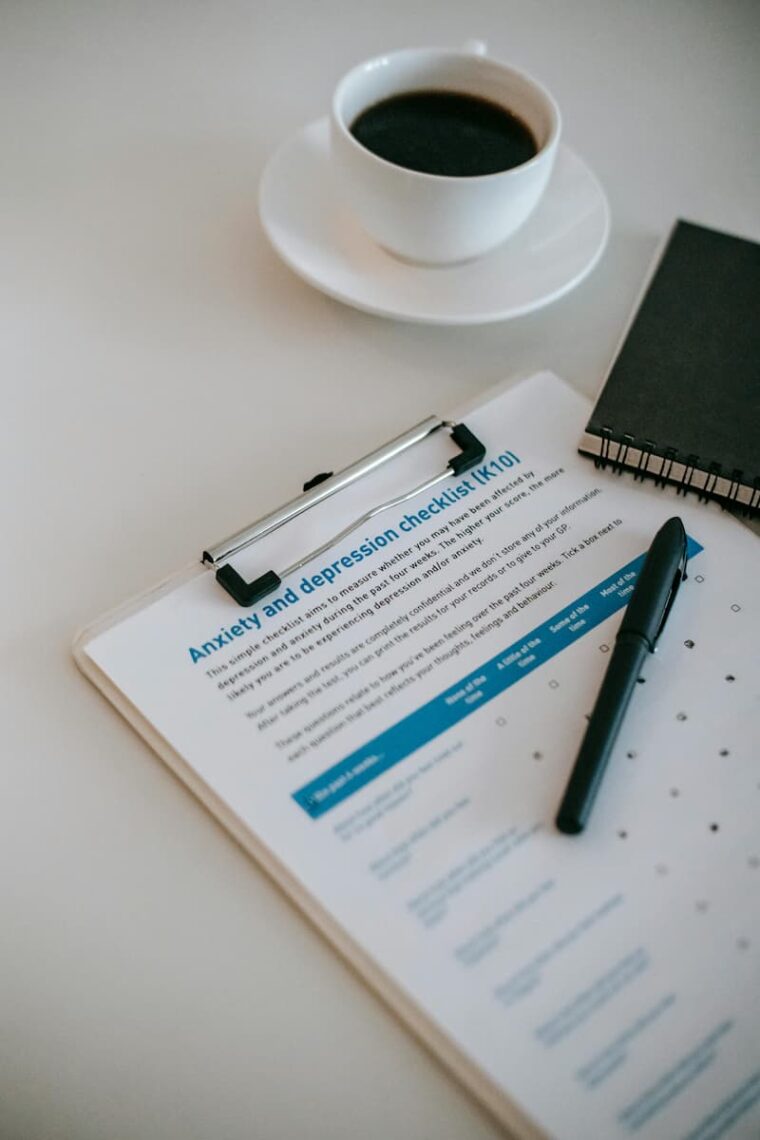
Trusted treatment guidelines based on expert input and informed by leading clinical practices
Life After Diagnosis
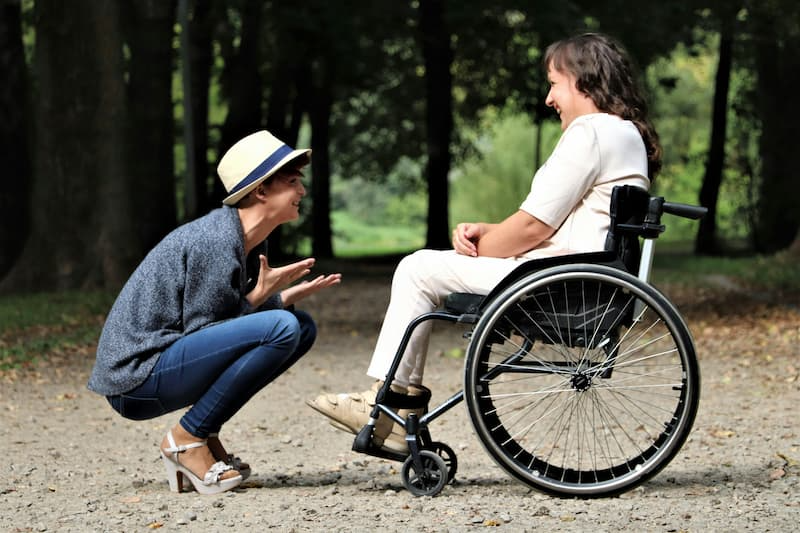
Find practical tips, emotional support, and community insight to help you navigate your life after this diagnosis.

Research & Clinical Trials
Learn about ongoing research, medical breakthroughs, and how to get involved in clinical trials advancing care and treatmen

Financial Assistance
Discover U.S.-based programs that may help cover therapy costs. Contact us for additional financial resources or international support options.
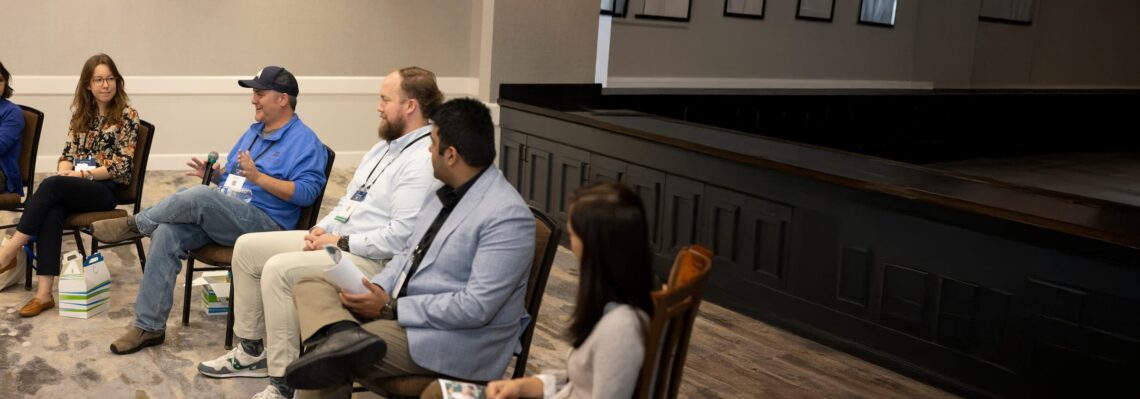
Join the Conversation
Connect with others who understand. Join our community forum to share experiences, ask questions, and find support from people living with or caring for someone with GBS, CIDP, or MMN.
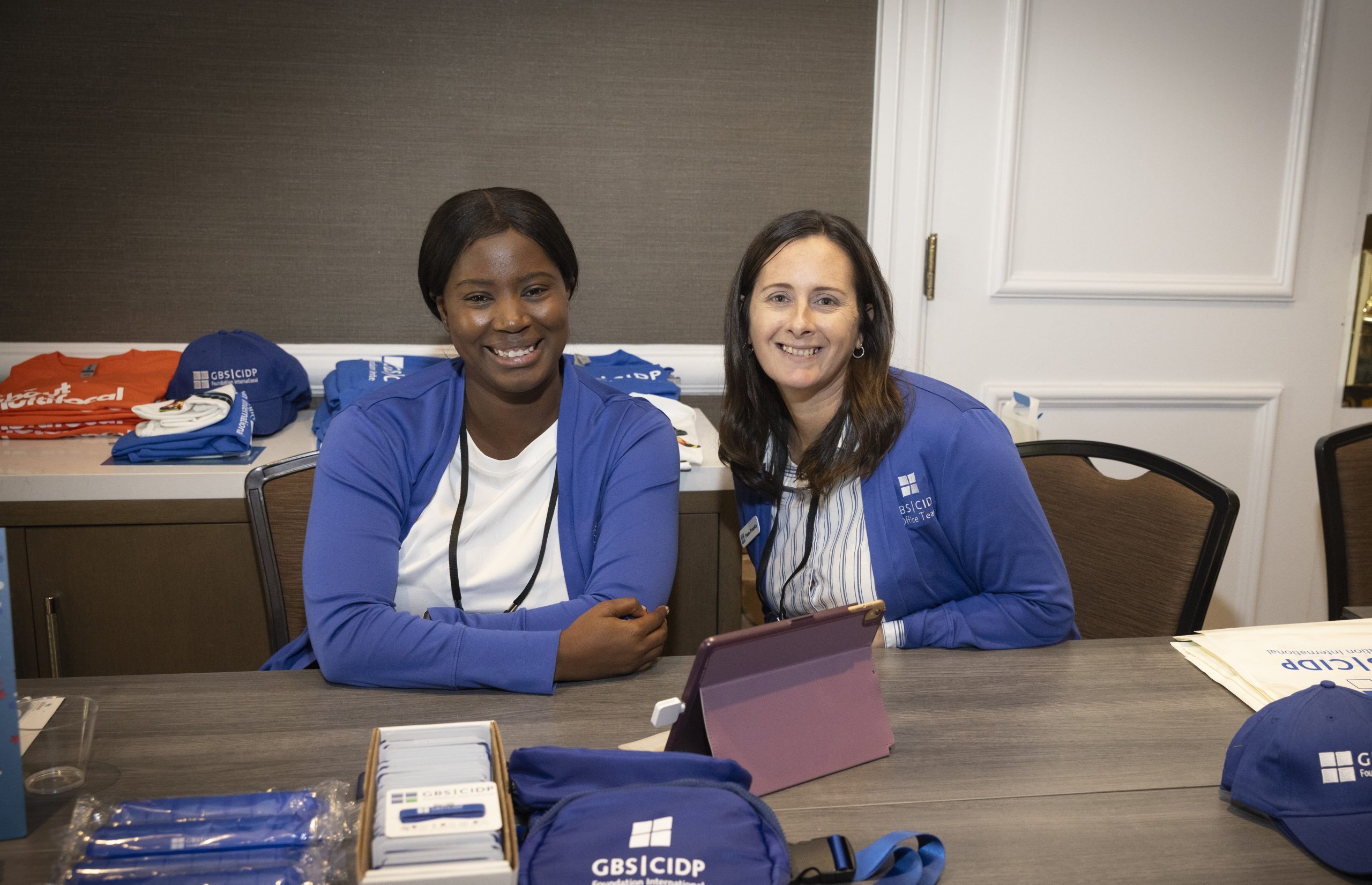
Contact Patient Services
Need help finding information, navigating care, or accessing resources? Our Patient Services team is here to support you and your loved ones every step of the way.