
What is Plasma?
Plasma is the straw-colored liquid portion of blood that contains proteins that are essential for the human body, including antibodies and clotting factors. Antibodies (also known as immunoglobulins) play an important role in health and illness. Many patients living with CIDP, MMN or Variants regularly receive intravenous immunoglobulin (IVIG) subcutaneous immunoglobulin (SCIG) to treat the condition, and many GBS patients likely received IVIG after diagnosis. Flooding a person’s system with antibodies from normal, healthy individuals can reverse problems caused by abnormally overactive immune systems.
Immunoglobulin – whether given as IVIG or SCIG – is created from source plasma that is donated from healthy people. There is no other way to create this treatment, so patients who use plasma products rely on people to donate plasma through a safe, relatively quick process for which their time may be reimbursed.

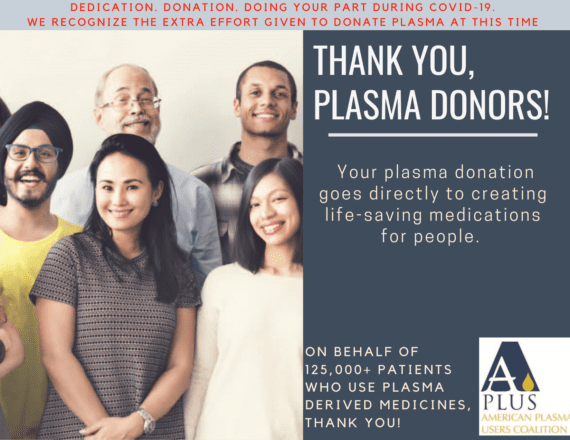
Plasma’s Power
Currently, companies that manufacture the therapies needed by individuals living with GBS, CIDP, MMN, and related conditions are reporting a sharp decrease in the number of people who are donating plasma. This shortage creates a direct threat to the health and wellness of our patient population, who are treated with immunoglobulin (Ig). Ig can only be created from human plasma donations, therefore, we are asking for plasma, please.
Advocate for Plasma Donation
Donating plasma isn’t the only way to help. You can advocate and create awareness within your network. A simple way is to encourage your friends and family to become plasma donors by sharing information and resources with them. An effective way to do this is through your social media!
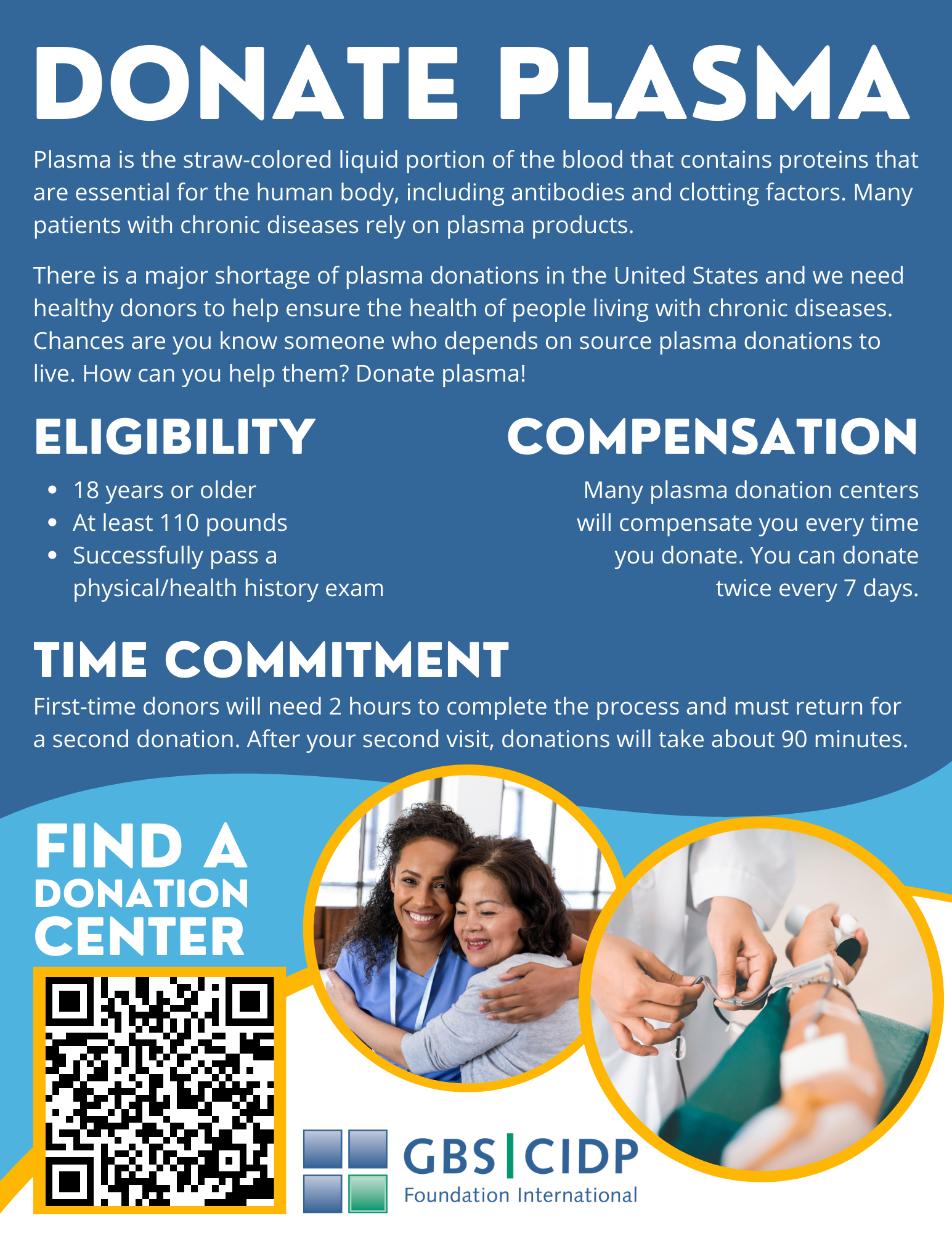
Ways to Advocate on Social Media

Share Your Story
A good place to start is sharing your connection to plasma. Are you a patient with GBS, CIDP, or a variant, such as MMN? Have you received infusions of IVIG or frequently rely on plasma-based products to treat your condition? Are you a consistent plasma donor and know what the process is like? In 1-2 paragraphs, write a concise story highlighting how plasma has impacted your life. Compliment the post with images related to you or your experience
Engage with the Foundation’s Plasma Content
The Foundation frequently posts content creating awareness about the need for plasma. Simply re-post or share our posts and tag us to bring awareness to your network about the Foundation and our dedication to getting more people to become plasma donors.
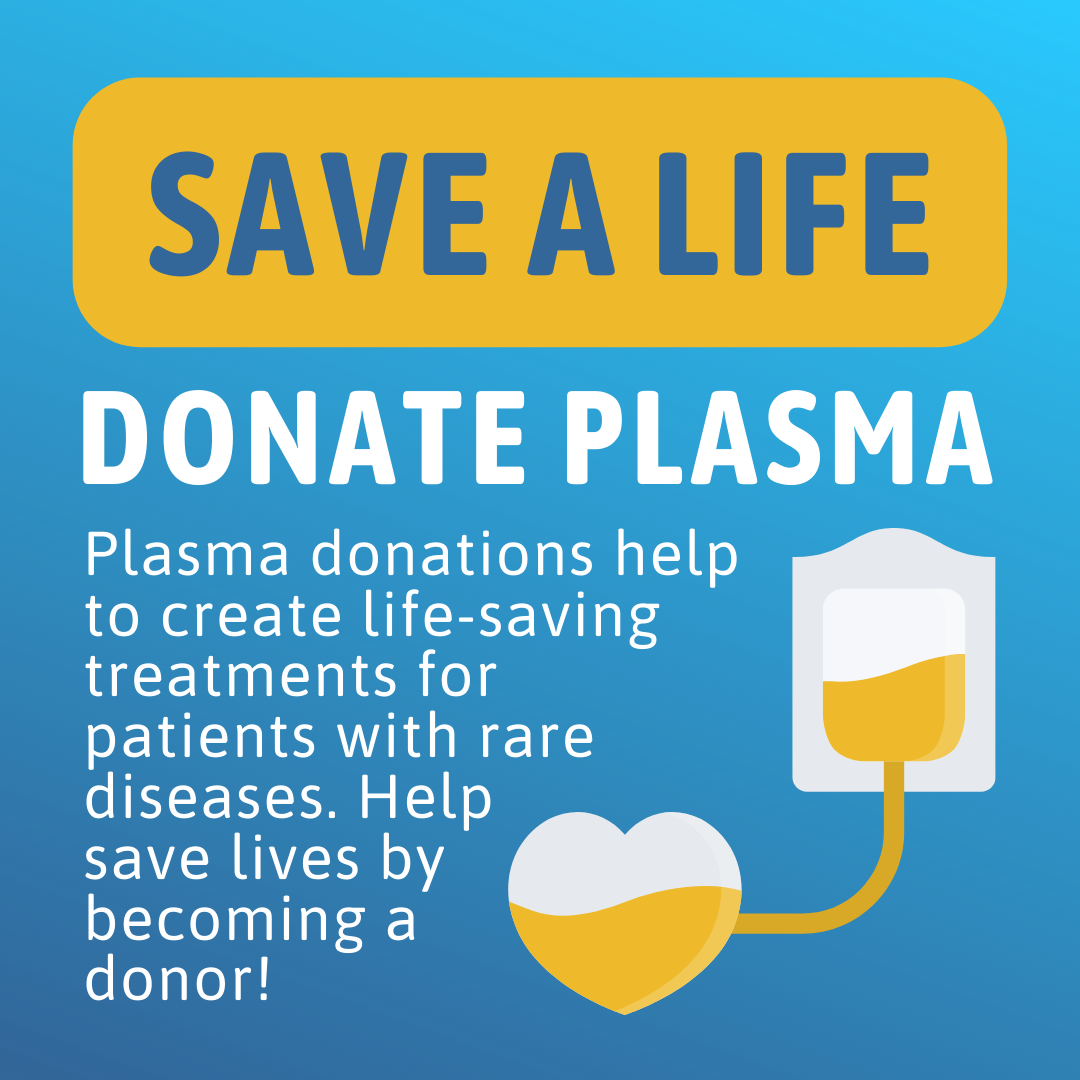
FAQs about Donating Plasma
Does it hurt?
Plasma donors often compare the feeling to a bee sting.
What is plasma?
Plasma is a component of your blood. When removed from red blood cells, it looks like a straw-colored liquid and contains antibodies, proteins, water, etc.
Who can donate?
Healthy adults! Donors need to weigh at least 110 lbs (50kg) and pass a physical/health history exam.
Do you get paid for donating plasma?
In the United States, some plasma donation centers offer a fee for your time spent at the center. You will need to inquire with your local center for more detail.
What’s the process for donating plasma?
There are plasma collection centers all across the US, Canada, and Europe. Find the closest collection center to you at donatingplasma.org.
You usually do not need an appointment, but you should confirm that now. When you arrive to donate plasma, you will present your ID, and first time donors will undergo a physical examination. All plasma donors will give a quick blood sample (finger prick) to check protein levels. A thorough health history will be taken.
Now, assuming everything checks out, you will be ready to donate plasma. The process is called plasmapheresis, and involves a technician placing a needle that connects to a machine that draws blood. The blood will be drawn, and the machine removes the plasma from your blood, and then your blood (without the plasma) is returned to you!
The whole process takes about 90 minutes (2 hours for new donors), and plasma donors in the US may be compensated for the time they spend donating source plasma.
IMPORTANT STEP: The first time you donate plasma, you must return to the center to give a second donation! Otherwise, your first plasma donation can’t be used. The purpose of this 2nd donation policy is to verify your initial health screening test results and keep people who use medicine created from source plasma safe.
Find the closest collection center to you at donatingplasma.org.
Can IVIG be made from whole blood donation as well or just plasma?
Recovered plasma, obtained from a whole blood donation, is a suitable raw material for the manufacture of IVIGs. There just isn’t enough of it! The world cannot depend on recovered plasma to meet patients’ clinical needs.
Can you donate plasma if you’ve had GBS, or other autoimmune conditions?
If a U.S. source plasma center is EU certified, the deferral would be automatic. EU requires deferral of donors who have neurological conditions or a recurring or relapsing disease or condition. In the U.S., however, the regulations/guidances are not so black and white. However, many would be deferred either because of the condition itself or medications being taken for the condition or general physical condition at the time of the interview or physical examination. For the most part, individual company policies dictate.
Can I donate plasma or blood for Covid-19 research if I am using SCig?
People receiving antibody therapies should not donate. There is not a concern for product safety, but rather for the health and well-being of the person wanting to donate. It would be impossible to monitor the effectiveness of a person’s antibody treatments if they were also donating antibodies.