Guidelines for Treatment
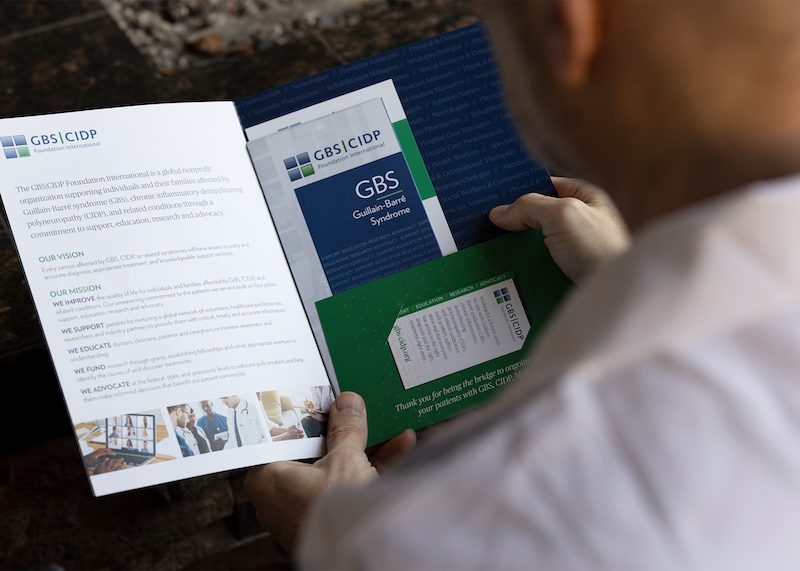
Our treatment guidelines outline the evidence-based therapies used to manage GBS and CIDP, including IVIG, plasmapheresis, and corticosteroids. Developed with input from leading neurologists, these resources help you have more informed conversations with your medical team and make confident decisions about your care.
Manage Your Conditions in 10 Steps
Knowing where to start can make all the difference. Our practical 10-step guide walks you through building your medical team, tracking your symptoms, understanding relapses, and protecting your long-term health, so you can take control of your journey with clarity and purpose.
Financial Assistance & Insurance
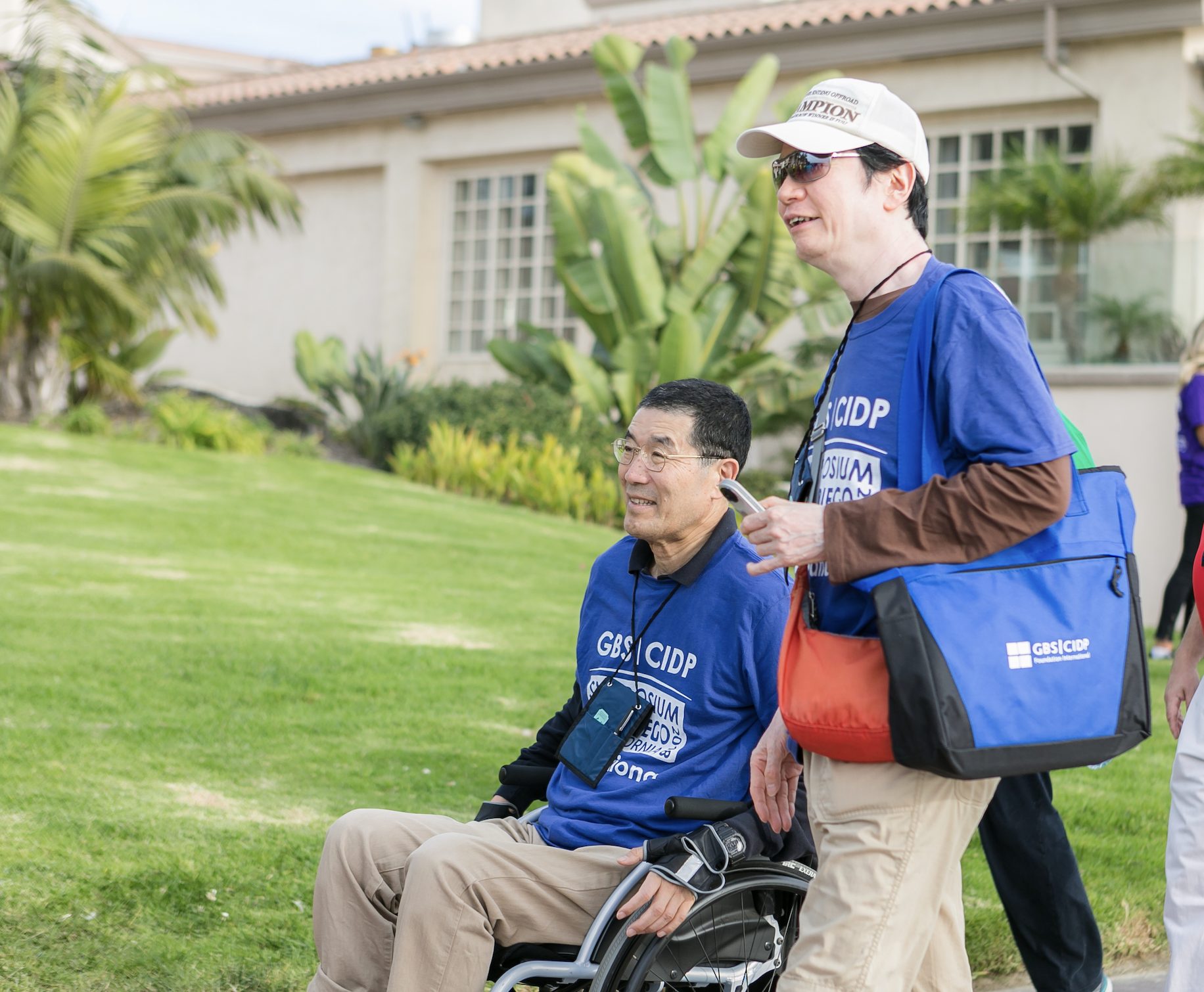
The financial impact of a diagnosis can be just as challenging as the physical one. Our resources connect you with medication co-pay assistance, nonprofit grants, Social Security disability guidance, and tips for navigating insurance coverage and appeals. You deserve access to the care you need.
Centers of Excellence
The GBS|CIDP Foundation’s Centers of Excellence are a curated network of medical institutions with demonstrated expertise in diagnosing and treating these rare conditions. Whether you’re seeking a specialist referral or a long-term care team, our directory makes it easier to find world-class care close to home.

Transportation Resources
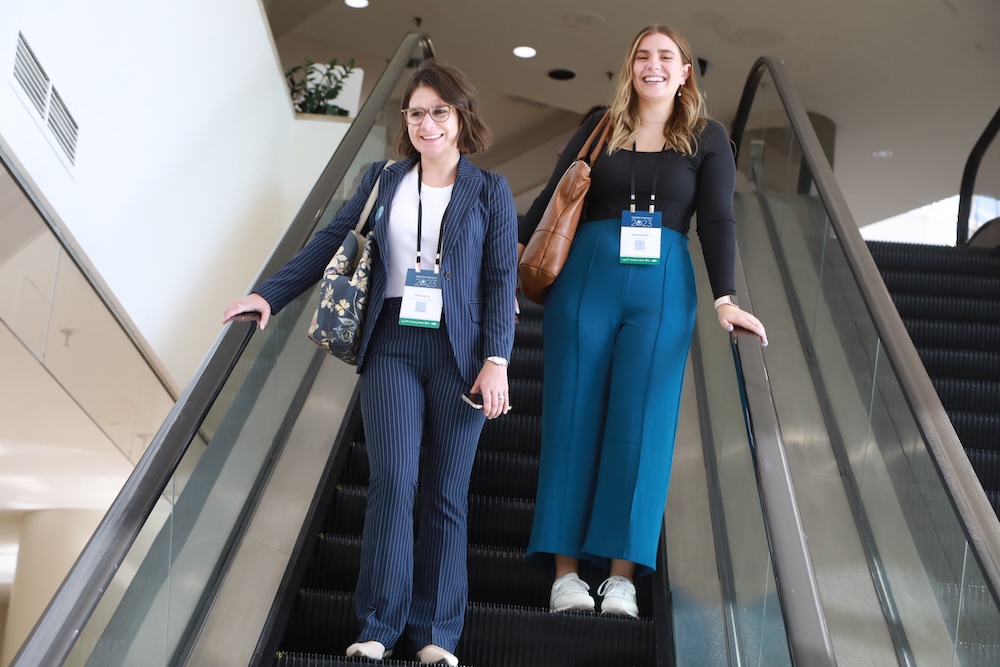
Getting to regular appointments for infusions or therapy can be a real challenge. Our transportation resource guide connects you with programs that offer free or reduced-cost rides, volunteer driver networks, and reimbursement options, so distance never stands between you and the care you need.
Adaptive Devices
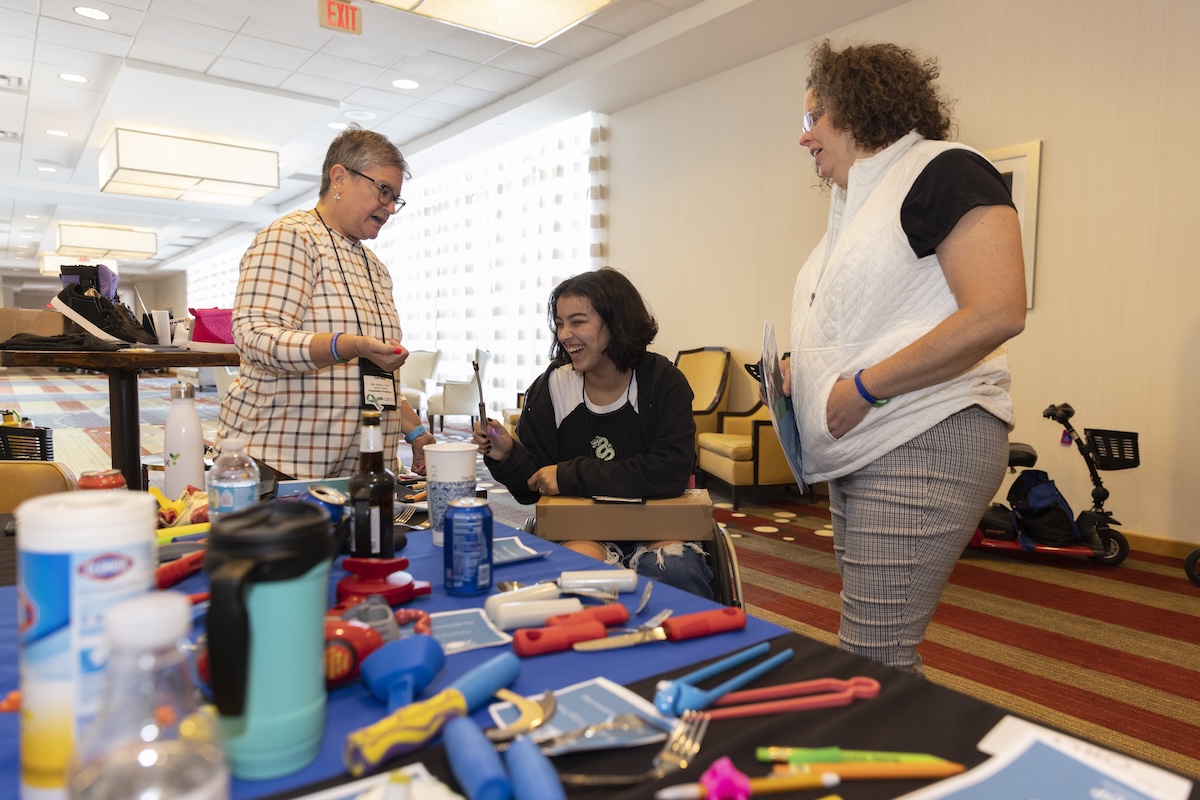
Weakness, fatigue, or limited mobility can significantly affect daily life for GBS and CIDP patients. Adaptive devices such as braces, walkers, and assistive tools can restore independence and improve quality of life. Our guide helps you understand what’s available and how to work with your care team to find the right fit.

Physical & Occupational Therapy
Rehabilitation plays a vital role in recovery from GBS and in managing CIDP long-term. Physical therapy helps rebuild strength and coordination, while occupational therapy focuses on regaining everyday skills. Our resources help you find qualified therapists and advocate for the level of care your recovery requires.
Questions to ask your Healthcare Provider
Medical appointments can feel rushed, and it’s easy to leave with questions unanswered. Our checklist helps you make the most of every visit, covering diagnosis, treatment options, side effects, and relapse warning signs. Going in prepared means better conversations and better care.


Meet our Health Navigator, Morgan
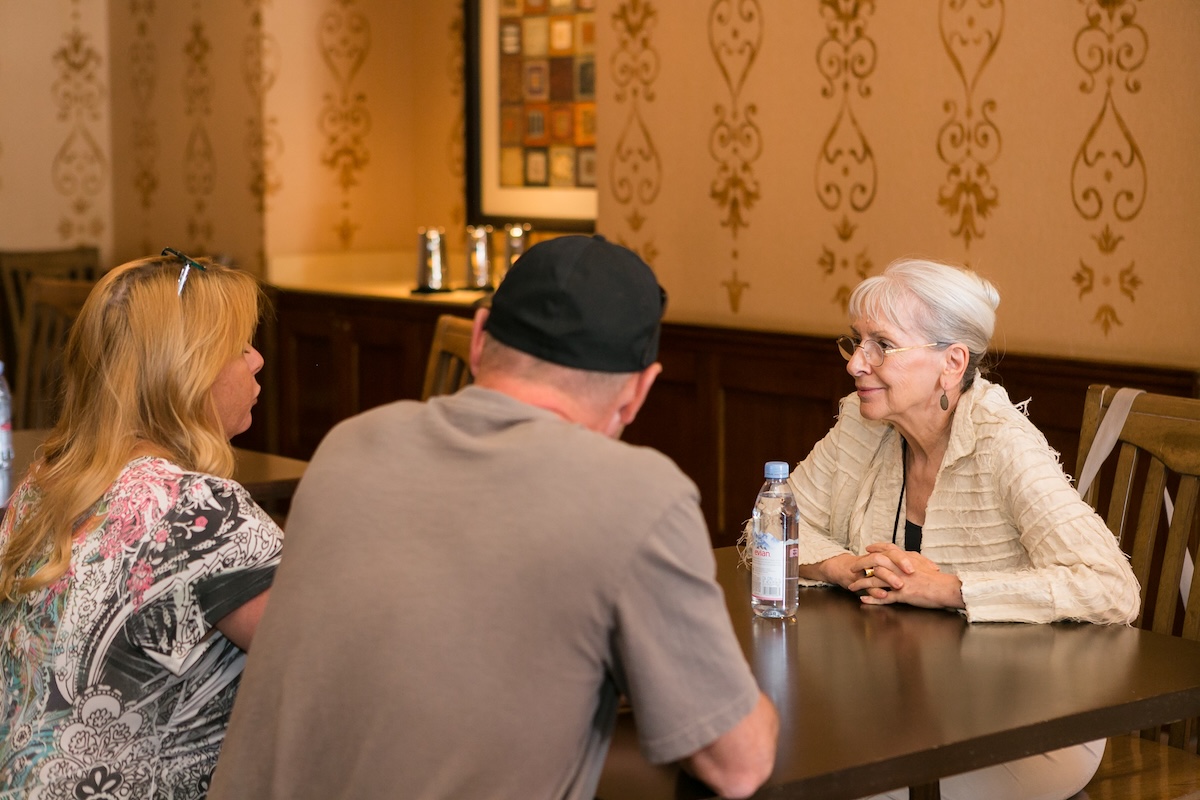
Our Health Navigator, Morgan Duhe, will provide guidance on medical insurance reimbursement, building patient programs & resources, and supporting the patient services team in finding resources for individual patients such as financial resources, disability benefits, adaptive devices, appropriate transfer of care & discharge planning, and mental health referrals. They will also participate in community events throughout the US to educate and support patients and caregivers in underserved populations.
Join the Conversation
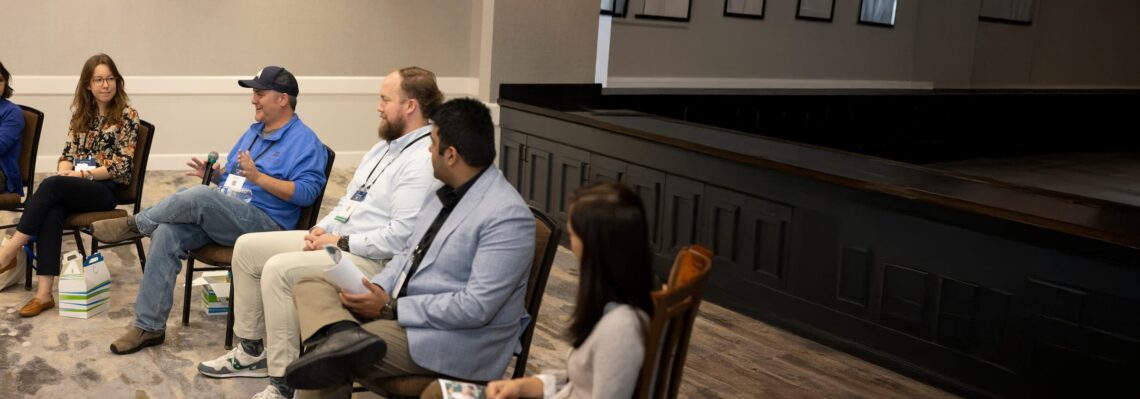
Connect with others who understand. Join our community forum to share experiences, ask questions, and find support from people living with or caring for someone with GBS, CIDP, or MMN.