
Understanding Their Diagnosis
Learn what this diagnosis means, how it may affect them, and the steps you can take to manage their care with confidence.

Intro to GBS

Intro to CIDP

Intro to MMN

Intro to Related Conditions
Useful Resources
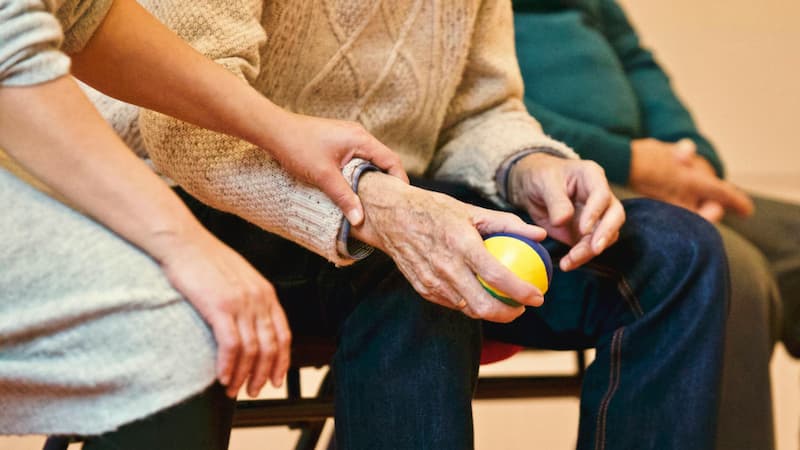
A care partner for patients with Guillain-Barré Syndrome (GBS), Chronic Inflammatory Demyelinating Polyneuropathy (CIDP), and Multifocal Motor Neuropathy (MMN) is someone who provides support and assistance to the patient throughout their journey with the disease. This person could be a family member, friend, or caregiver who helps the patient with various tasks, including physical care, emotional support, transportation to medical appointments, managing medications, and advocating for the patient’s needs within the healthcare system.
Self-Care
Self-care and self-compassion are key to being an effective, trustworthy, and empathetic care partner. Take care of yourself so that you can take care of others. In addition, to what we hear daily (eat a balanced diet, exercise, get enough sleep,) here are additional resources to help with your self-care.
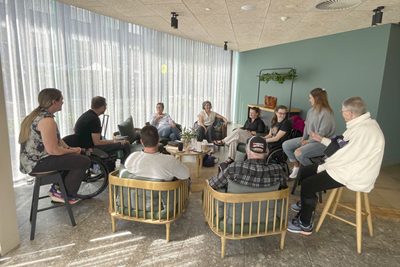
- Join a support group
- The Foundation hosts regular coffee chat-style groups for our caregivers – https://www.gbs-cidp.org/monthly-zoom-coffee-chats/
- The organization Give an hour, hosts rare disease caregivers support groups monthly https://giveanhour.org/rarecaregivers/
- Look to local hospitals and other healthcare organizations in your area for in-person caregiving support groups.
- Talk with a licensed therapist. Search for providers via your health insurance or you can search these websites: www.psychologytoday.com or www.goodtherapy.org
- If you are in the United Kingdom, Rare minds is a mental health provider specializing in the rare disease community. www.rareminds.org
- Dr. Al Freedman is a psychologist in private practice with extensive rare disease experience. www.rarecounseling.com/
- Try integrative therapy- There are emotional and physical benefits to participating in activities such as Reiki, acupuncture, massage, yoga, meditation, and others.
Communication
Communicating effectively with the person you are caring for is vital to ensure their needs are met while also protecting the care partner’s well-being.
- Basic skills to practice include:
- Actively listening by making eye contact, not interrupting, and repeating back what is being said.
- Validating the concern or experience that is being conveyed.
- Asking questions to show interest and to obtain a better understanding.
- Talking about your own fears/concerns.
- Being patient
- Avoiding distractions while communicating, especially not looking down at a phone or other device
- Trying to be in the moment and devoted to the conversation.
- Here is a video that presents good communication practices: https://www.youtube.com/watch?v=2aQsKneCjuc
- These are websites with many other tips for communicating as a care partner.
- An excellent article to assist with improving communication:
Respite Programs
Respite care provides a short-term break or relief for a primary care giver to rest, take care of themselves, or travel. It can be planned or coordinated in the event of an emergency. Respite can be provided by bringing in professional caregivers into the home or by having the patient be temporarily taken care of in an assisted living or skilled nursing facility.
- The National Organization for Rare Diseases (NORD) offers a respite financial assistance grant: www.rarediseases.org/patient-assistance-programs/caregiver-respite/
- The Roads Scholar program awards grants for caregivers to participate in travel learning experiences: www.roadscholar.org/about/financial-assistance/caregiver-grants/
- Self-directed voucher programs provide funding for caregivers to afford respite care. Search for a local program here: www.archrespite.org/ta-center-for-respite/respite-voucher-programs/
Research
Participating in research about caregiving may help improve the understanding of the care partner experience as well as encourage the development of more resources to support both patients and care partners. Here are two ways to search for research opportunities:
Finding Additional Caregiving Help
- Family and friends are a great place to start when you need help. Many family and friends are willing to help; they just do not know how to. Let them know specifically what tasks would be the most helpful to you. Giving them a schedule of appointments you need help with transportation to or days when there is too much on your plate to make a meal will show them where their help is needed the most.
- Another option is to look for high school volunteer programs, college community service clubs, and local Greek organizations. These groups may have energetic students who want to make a difference in their communities. Tasks such as childcare, lawn care, dog walking, and even driving to appointments are tasks that are easy to hand off to helpful students of your community and will make a significant difference in your schedule. Contact Student Activities Coordinators in your area to see if students can assist you. Consider sharing your need for help with your religious institution as well. Members are often more than willing to drop off a few meals, assist with childcare, and more. Local aging groups may also have volunteers in your area that can help with caregiving.
- When professional help is needed to care for a loved one, there are many options. Check on benefits through health insurance or a long-term care policy first to see if there is coverage. After that, care may be paid for privately, or through a Medicaid program. Two websites to help with the search:
- Consumer directed personal assistance program (CDPAP)- This is a Medicaid program which may allow a friend or family member to be paid for providing caregiving Check with your local agency on aging or Medicaid office. Learn more here: www.medicaid.gov/medicaid/long-term-services-supports/self-directed-services/index.html
Meals and Household Help
Family and friends often want to help with preparing meals. Cooking dinner can take an hour out of a care partner’s day, and being responsible for all three meals can take even more time. Consider cooking meals or doing grocery shopping to help take the stress off.
- www.lotshelpinghands.com
- www.mealtrain.com
- www.takethemameal.com
- Home delivered meals may also be available through a Medicare advantage program or Medicaid, or they may also be purchased at a low cost: www.momsmeals.com
- Child and pet care can be extremely difficult for a caregiver, especially when the care partner is also working a full-time job. Even if they are working from home, this type of support can be a very welcome reprieve! Help with morning drop-off/afternoon pick-up or give them a few hours off on the weekend as you watch the kids. Take their furry friends on walks when you can or even drop them off at the vet or groomer. Caregiving demands a lot of juggling, so give them one less thing to juggle.
- Helping with the dishes, doing light cleaning, and other housework is a wonderful way to help a caregiver. This can also include laundry, mowing the lawn, and other tasks that help keep the house in order. While the care partner takes care of doctors’ appointments and other important activities, helping with housework and lawn care can be a big burden lifted off their shoulders.
- Many care partners have full-time jobs in addition to caregiving, making it impossible for them to do everything. Again, even if the care partner is working from home, new and demanding responsibilities can be overwhelming. Offer to drive their loved one to the doctor or physical therapist. This gives them time to catch up on other necessary tasks and gives the patient a new person to talk to during the day. Patients often feel isolated from their communities during treatment, so this is a terrific way to help the care partner while also helping the patient.
Additional Organizations and Resources
- Rosalynn Carter Institute for Caregivers
- Family Caregiver Alliance
- Homethrive
- Caregiver Action Network – Caregivers Connect
- AARP Resources for Caregivers
- Caregiver Action Network – Caring for Rare Disease Caregivers
- Acquire the book Caring for the Carepartner by contacting info@gbs-cidp.org

Find a Specialist
Our Global Medical Advisory Board has established standards for identifying top-tier medical centers with expertise in diagnosing and treating GBS, CIDP, MMN, and related neuropathies. These Centers of Excellence are recognized for their advanced treatment options, experienced neurology teams, and commitment to ongoing research. They offer trusted care for patients, caregivers, and clinicians seeking expert support
Contact Patient Support
Support is at the heart of our mission. Every volunteer has a personal connection to GBS, CIDP, MMN, or a related condition as a patient, caregiver, or loved one. We understand how critical it is to have guidance, care, and community during challenging times. While we do not provide medical advice, our Global Medical Advisory Board ensures that patients have access to trusted expertise and resources through our network of Centers of Excellence.

Useful Resources

Education Center
Expert-reviewed guides and resources to help patients, caregivers, and professionals better understand GBS, CIDP, and MMN.
Find a Specialist
Connecting patients with personalized support, including financial help, insurance guidance, disability resources, and mental health referrals.

Guidelines
Trusted treatment guidelines based on expert input and informed by leading clinical practices
Upcoming Events
Join us to connect, inform, and inspire. From local chapter meetings to educational programs and awareness initiatives, we love coming together as a community.



Join the Conversation
Connect with others who understand. Join our community forum to share experiences, ask questions, and find support from people living with or caring for someone with GBS, CIDP, or MMN.