
Claire Bergstrom Johnson
My decision to apply for the Benson Fellowship stems from my commitment to advancing our understanding and treatment of inflammatory neuropathies. As a Clarendon Scholar nearing completion of my DPhil in Clinical Neurosciences at the University of Oxford, a significant achievement of my doctoral research has been
the identification of unmutated autoreactive B cells and lgM autoantibodies against neurofascin in pan-NF AN – a previously unreported finding that challenges prevailing assumptions and opens the door to critical new insights for disease immunopathology. These findings offer the potential to refine diagnostic tools and guide the development of novel therapeutic interventions, addressing the urgent need to mitigate the devastating long-term disability associated with delayed diagnoses and suboptimal treatments. My twin sister’s near-fatal CIDP diagnosis over two decades ago and resultant long-term disability serve as a constant reminder of the necessity for improved awareness and management strategies in the inflammatory neuropathies.
The Benson Fellowship and the opportunity it represents to continue my training at Oxford will serve as a natural extension of the methodology and work I have already established within the Rinaldi Lab. Over the course of my DPhil, I have developed and optimized key assays, including fluorophore-conjugated antigen baits, live CBAs, and advanced sequencing pipelines to identify and characterize autoreactive B cells in the inflammatory neuropathies. With these robust platforms and state-of-the-art facilities – including microscopy, cryostorage, cell-sorting, and cDNA-sequencing – already in place, this fellowship would ensure seamless continuity, enabling us to translate our findings into meaningful clinical applications. By leveraging these established methodologies, I aim to focus on elucidating the mechanisms of B-cell tolerance failure in the inflammatory neuropathies and validating potential therapeutic targets, facilitating direct translation to clinical practice. Similarly, the development of antigen-specific baits will facilitate the serial monitoring of disease-specific B cell to assess treatment efficacy and immunological relapse, and the generation of disease-specific monoclonal antibodies (mAbs) will provide valuable reagents to more precisely delineate downstream neuropathogenic mechanisms and improve the consistency and accuracy of diagnostic assays. The Rinaldi Lab’s strategic positioning within the John Radcliffe Hospital, and its integration with Oxford’s Nuffield Department of Clinical Neurosciences (NDCN), provides an unparalleled environment for translational research, with direct access to patient cohorts and multidisciplinary expertise to accelerate impact.
My long-term vision is to establish a research program dedicated to investigating the immune mechanisms driving inflammatory neuropathies and developing targeted therapies that address these pathways. I aim to collaborate closely with industry partners to ensure these discoveries translate into tangible patient outcomes. In parallel, I aim to be a lifelong advocate for increased awareness and research into these disorders, using my personal connection to highlight their impact and push for advancements. Beyond research, I am also deeply passionate about mentoring the next generation of women in science and fostering increased representation of women in tenure-track neuroimmunology roles, contributing to a more diverse and inclusive academic environment. By supporting my postdoctoral work, the Benson Fellowship would empower me to continue addressing critical gaps in our understanding of immune tolerance and its role in inflammatory neuropathies. This opportunity will not only advance scientific knowledge but also directly impact the lives of patients and families affected by these conditions – just as I once hoped to do for my own.
Other Articles You May Like
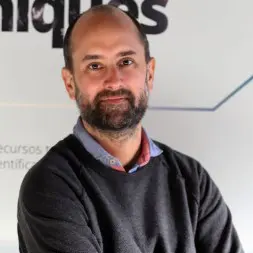
Dr. Luis Querol, MD, PhD, Appointed Vice Chairman of GMAB and Chairman of Center of Excellence Committee
The GBS│CIDP Foundation International is thrilled to announce the appointment of Dr. Luis Querol, MD,…

New Research Offers Insight Into How Autoimmune Disorders May Develop
A newly published scientific paper explores how autoimmune disorders may arise, using Guillain-Barré syndrome (GBS)…
The XPERT study
The XPERT Study is testing whether a subcutaneous immunoglobulin (SCIG) can provide similar blood levels…